
This post is an updated and expanded version of our original guide to spending three days in Venice. You can still read the original here.
Key Takeaways (Quick Answer):
Planning a luxury Venice itinerary for 2026? Here’s what you need to know:
- Plan ahead: Venice rewards travelers who plan in advance with the right access and reservations
- Best time to visit: April–May and September–October offer the best balance of weather and crowds
- Off-season travel: November–March (excluding holidays) offers fewer crowds and a more atmospheric experience
- Carnivale: A completely unique experience, but busy and requires advance planning
- How many days: Three days is the minimum for a meaningful visit
- Where to stay: 2026 brings a major wave of new luxury hotel openings
- Don’t miss: Private experiences, the outer islands (including Burano and Murano), and local neighborhoods like Cannaregio and Dorsoduro
Is Venice Worth Visiting in 2026?
Yes, absolutely.
Venice is unlike anywhere else in the world. No other place sounds like Venice (no cars! no roads!), and the entire experience runs on water, foot traffic, and a rhythm that takes a day or two to fully settle into.
The problem is that most travelers never actually experience Venice.
They arrive on a day trip, walk from the Rialto Bridge to St. Mark’s Square, eat one overpriced meal, and leave disappointed.
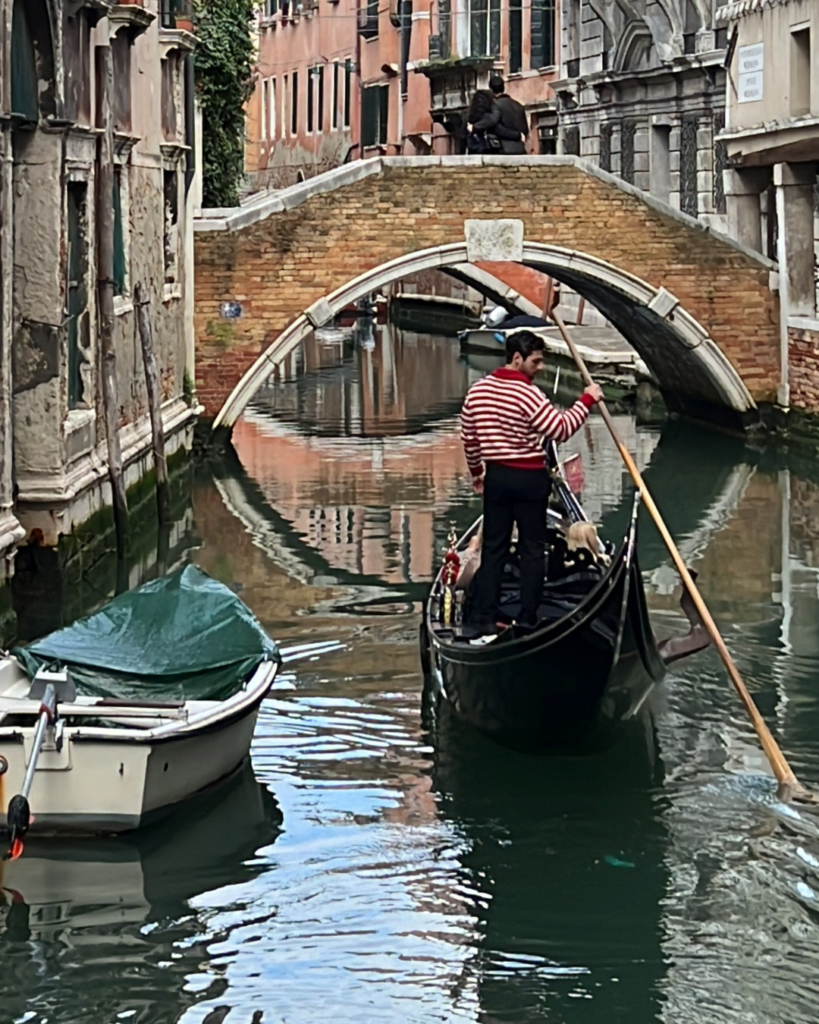
The real Venice is in local neighborhoods like Cannaregio and Dorsoduro, in quiet side canals, on the outer islands, and in the local bacari serving cicchetti along neighborhood walkways.
2026 is also a particularly strong year to visit, with a major transformation underway in the city’s luxury hotel landscape.
How Many Days Do You Need in Venice?
Three days is the right minimum for a first visit. That gives you enough time to explore the main neighborhoods, experience some of the outer the islands, and enjoy La Serenissima without rushing.
If you can extend to four or five days, Venice becomes even more rewarding. You’ll slow down, revisit favorite areas, and explore beyond the main routes.
Another great reason to stay in Venice? You’re supporting the local tourism initiative.
To help combat over-tourism, Venice implemented a tourism tax in 2024 that visitors have to pay if they are not staying overnight in a hotel in Venice. Guests staying overnight in a hotel must register their stay in advance to prove exemption. For more information, or to register an upcoming stay, visit the Venice Access Fee site.
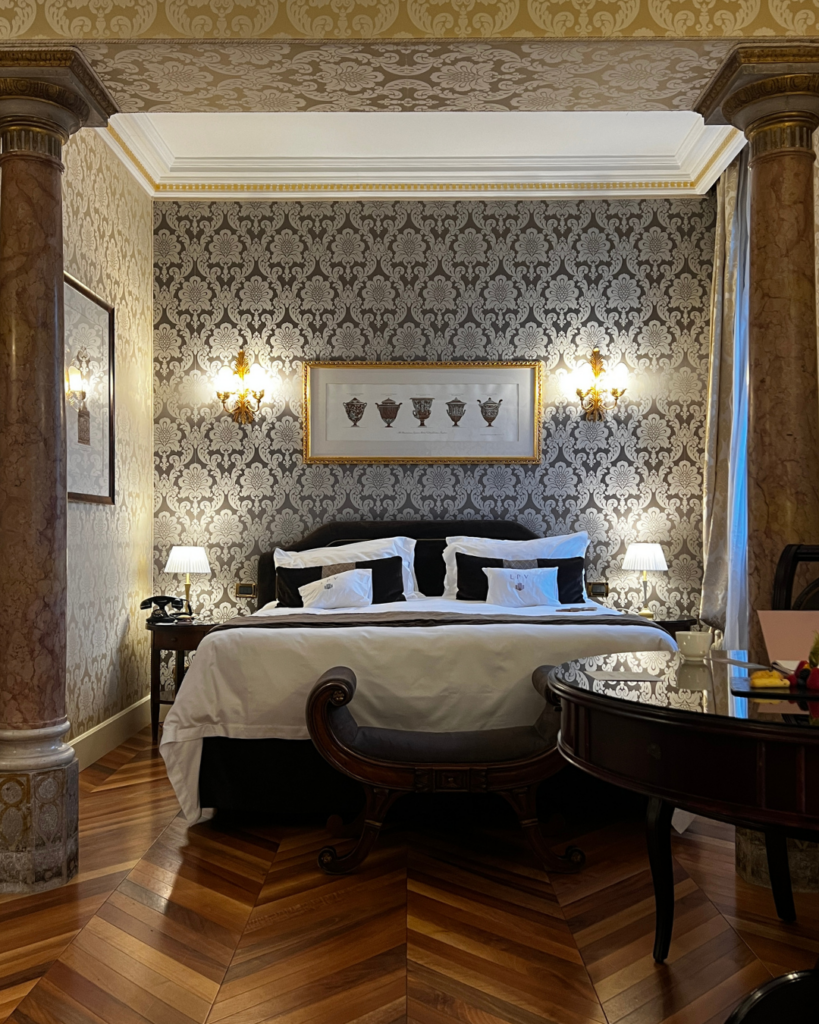
Where to Stay in Venice: Best Luxury Hotels for 2026
Several major luxury properties are opening or reopening this year, making it one of the most exciting times in decades to plan a trip.
2026 Openings and Re-Openings Worth Booking Early
Danieli, A Four Seasons Hotel
A complete transformation of one of Venice’s most iconic palazzi. Interiors by Pierre-Yves Rochon, a new spa launching late 2026, and one of the best locations in the city.
Orient Express Palazzo Donà Giovannelli
Located in Cannaregio, this restored 15th-century palazzo blends theatrical interiors with historic detail. One of the most interesting new openings in Venice.
Mandarin Oriental, Venice
A private island setting just minutes from San Marco. Ideal for travelers who want seclusion without sacrificing access.
The Langham, Venice (Murano)
A restored glass factory turned resort with a courtyard pool, rooftop bar, and a quieter setting outside the main city.
Airelles Venezia, Palladio
A debut Italy property from Airelles, set on Giudecca with gardens, multiple dining venues, and a strong wellness focus.
Rosewood Hotel Bauer
A major reopening in a prime location between the Grand Canal and San Marco.
Hotel Excelsior Venice Lido
Located on Lido Island, the beachfront property (and longtime host of the Venice Film Festival) will reopen in May 2026.
Established Luxury Hotels
Aman Venice
One of the most exclusive hotel experiences in Europe. Quiet, private, and deeply refined.
Londra Palace Venezia
A Relais & Châteaux property with one of the best waterfront dining terraces in the city.
Hotel Gabrielli
A strong five-star option with more accessible pricing and one of the largest private gardens in Venice.
Best Things to Do in Venice (Luxury Experiences)
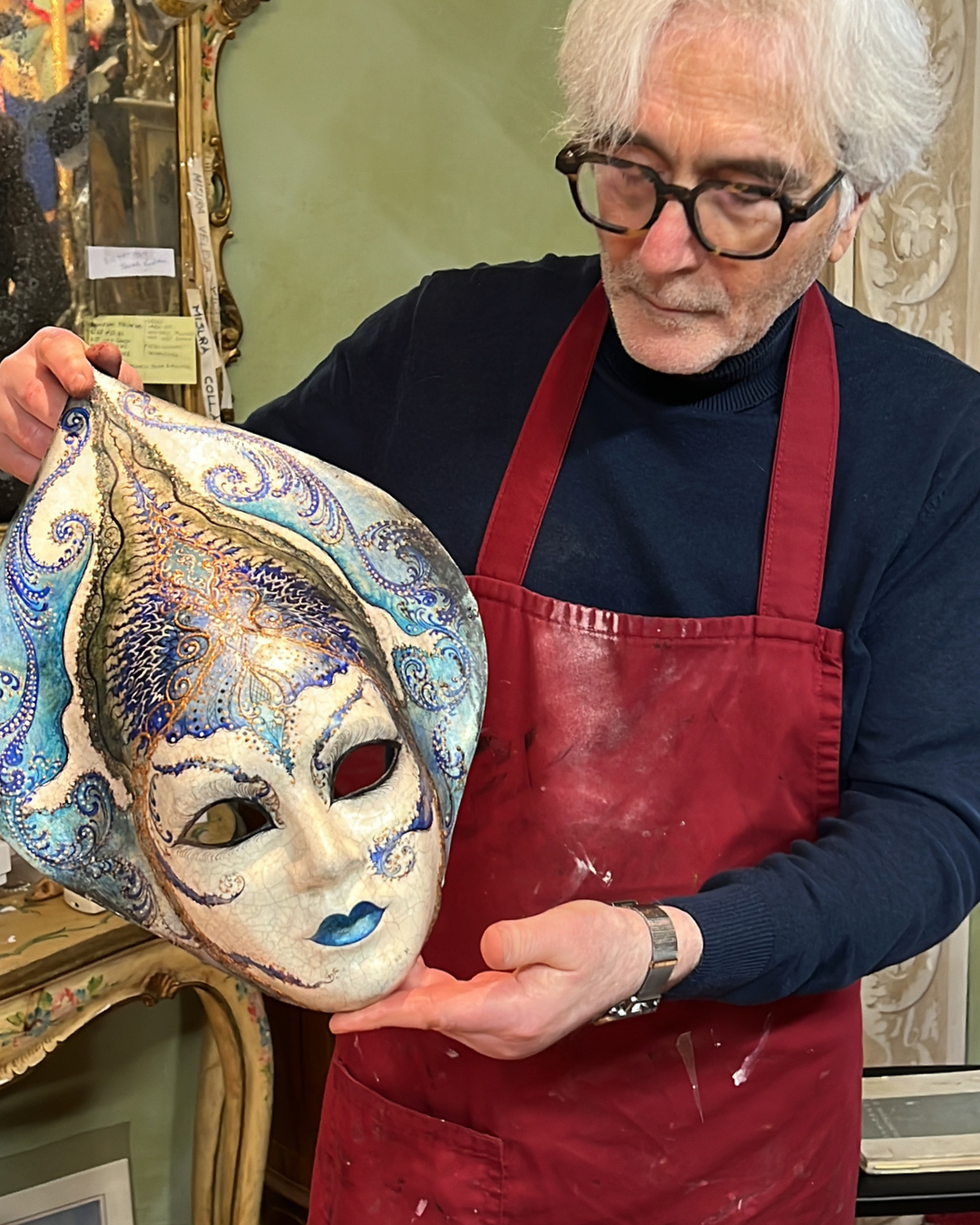
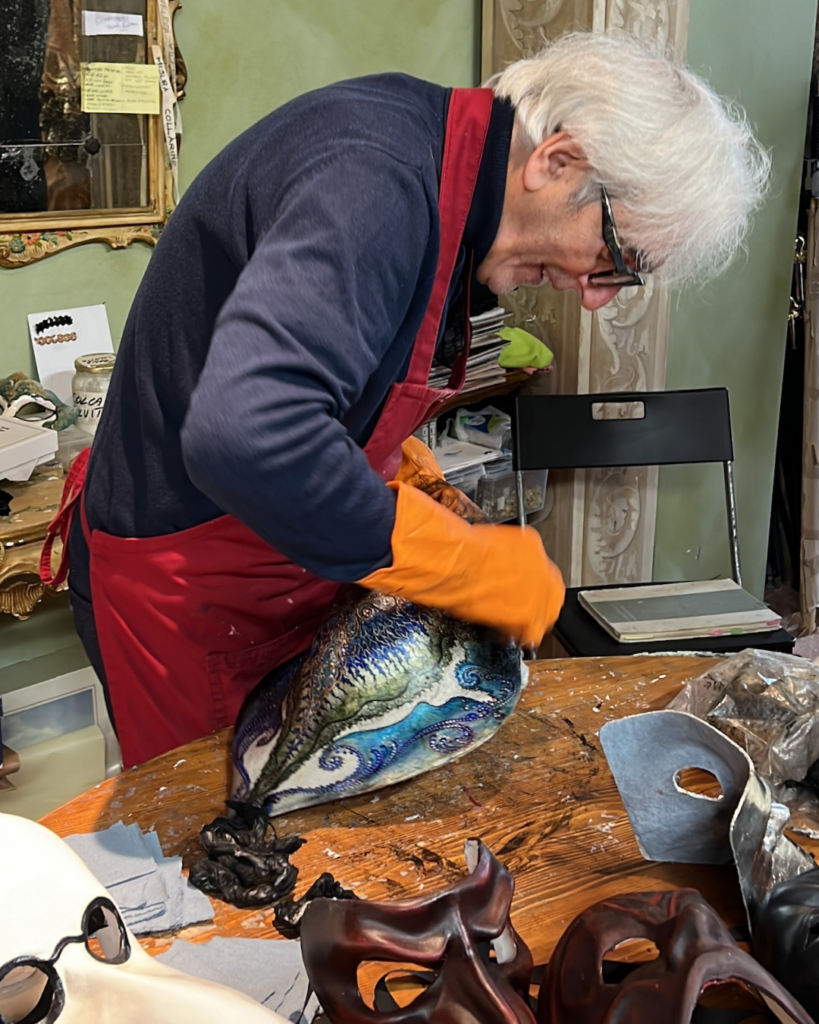
Seeing local artisans at work, up close and personal, is a must on any trip to Venice. The difference between a good trip and an exceptional one comes down to access and planning.
Here are some experiences that define a luxury Venice itinerary:
- Private gondola workshop with local gondolier
- Private after-hours or early access tours of St. Mark’s Basilica and Doge’s Palace
- Private mask-making workshop with traditional artisans
- Private glass-blowing experience in Murano
- Cicchetti tour in Cannaregio
Getting there: I recommend a pre-arranged private water taxi upon arrival in Venice. Whether you are arriving by car (in Piazzale Roma), air, or train, this is the most convenient way to reach your hotel. If arriving by train, be sure you book a ticket to Venice’s Santa Lucia Station.
Now that you’ve arrived, here’s an excellent way to spend three days in Venice.
Day One in Venice: Arrival, Dorsoduro, and Cannaregio
With tourism being the first thing that comes to many travelers’ minds when they think of Venice, people are surprised to learn that there are still Venetians living there. While they are smaller in number now than in the past (there are approximately 50,000 residents living in Venice’s historic center), most of the locals live in either the Dorsoduro or Cannaregio areas of the city. While still very busy, these areas on the western side of the city (closer to Santa Lucia Station) are not nearly as crowded as the eastern side of the city where St. Mark’s Square is located.
After checking into your hotel (or just dropping off your luggage if you arrive before check-in time), make your way to Dorsoduro and:
- Visit the Leonardo da Vinci Museum, an interactive museum highlighting many of da Vinci’s inventions. The museum is located inside Chiesa di San Barnaba, which movie buffs will recognize as “the library” in Indiana Jones and The Last Crusade.
- Visit an authentic mask shop for a private mask-making workshop led by a Venetian artisan
- Have lunch or dinner at one of the restaurants in Campo Santa Margherita, one of the few Squares in Venice where you will see locals out and about (and way smaller crowds). A great spot to find a bench and people watch.
In the late afternoon and evening, make your way to the northwest side of the city and visit Cannaregio. This historic neighborhood is the former location of Venice’s Jewish ghetto, and there are signs of its past around every corner. This area is also jam-packed with some of the best bacari (bars) in Venice, where you can enjoy countless cicchetti with some local wine or a spritz while sitting next to a canal.
A Cannaregio food tour is an excellent way to get introduced to the flavors of Venice.

Some of Venice’s best restaurants are also in this area, and it is a great neighborhood to have dinner in throughout your stay in Venice; check out La Colombina if you can get a reservation. Some of my other favorite spots are Osteria al Cicheto, Paradiso Perduto, Vino Vero, and Cà D’oro alla Vedova.
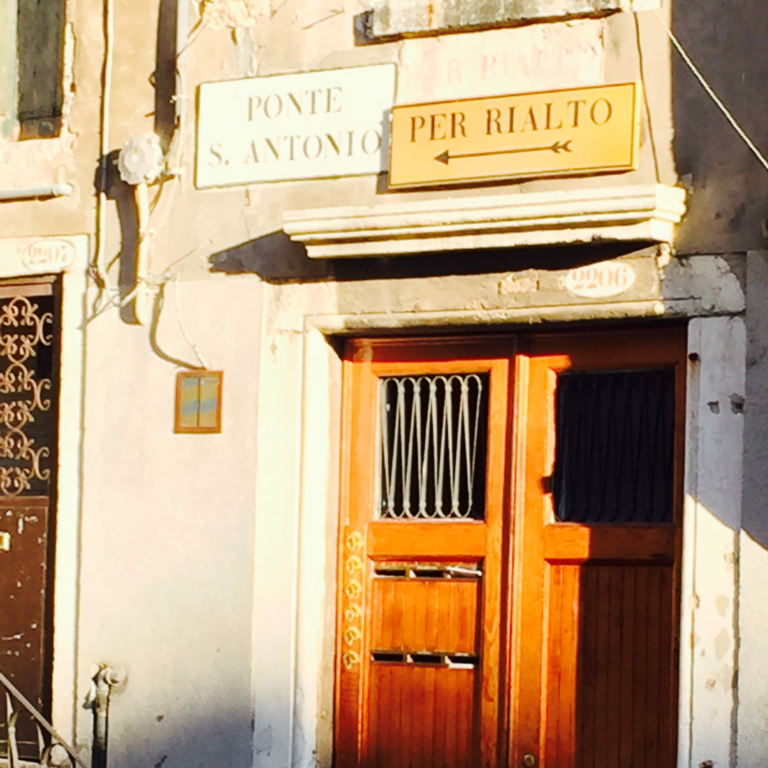
Navigation tip: Look up. You’ll see signs all over the city with arrows saying “ALLA FERROVIA” (to the train station), “PER RIALTO” (to the Rialto Bridge), or “PER S. MARCO” (to Piazza San Marco aka St. Mark’s Square), making it incredibly easy to find these main landmarks and to get around.
Day Two in Venice: St. Mark’s Square, the Rialto Bridge, and a Gondola Ride
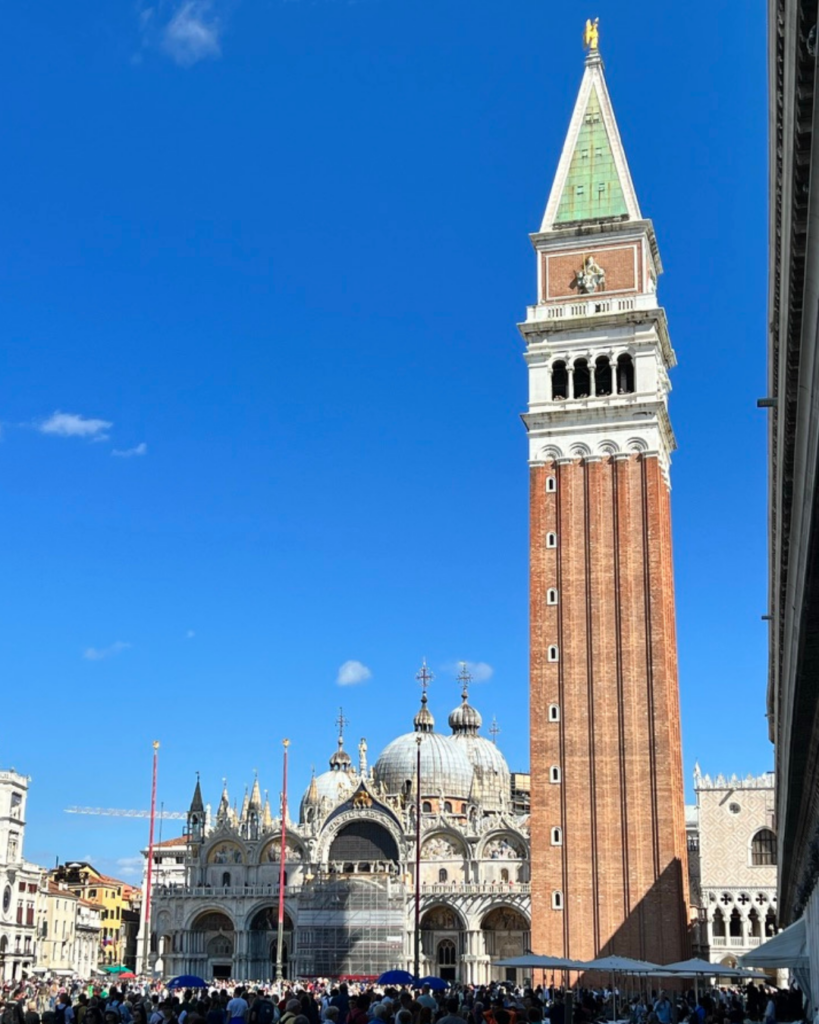
Now that you’ve had some time to get oriented to the city, today is a great day to head to St. Mark’s Square (Piazza San Marco) to visit the historic cathedral, St. Mark’s Basilica. The interior of the cathedral is largely covered in gold and is among the most breathtaking in the world.
The Doge’s Palace is also in St. Mark’s Square and is one of the city’s main landmarks. Built in 1340, it was the residence of the Doge of Venice, the supreme authority of the former Republic of Venice. For a great view of the city and its lagoon, buy a ticket to reach the top of St. Mark’s Campanile (yes, there’s an elevator), the cathedral’s bell tower. It’s best to arrive in St. Mark’s Square in the morning to beat the crowds. A late afternoon visit is also possible, but just be mindful of opening hours.
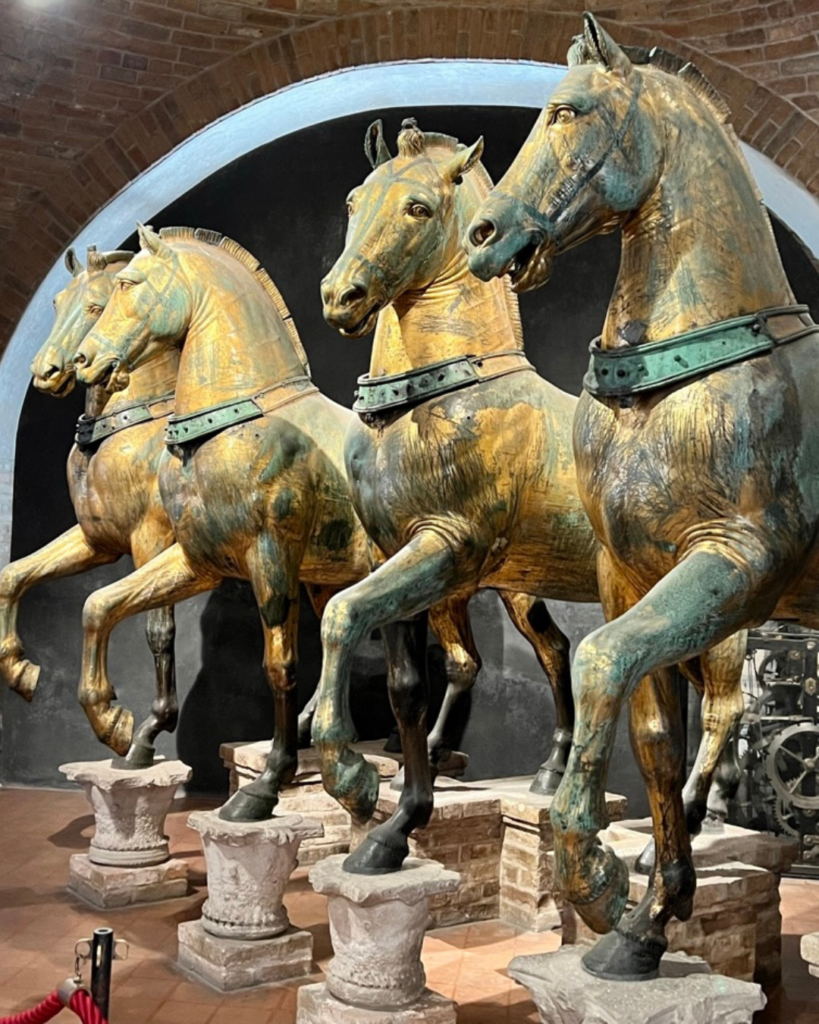
After visiting St. Mark’s Square, make your way towards The Rialto Bridge (Ponte di Rialto), the most well-known of the four bridges that span over Venice’s famous Grand Canal. The Rialto Bridge is surrounded by shops and restaurants and is an incredibly lively (and crowded) area.
While all of Venice feels like you are walking through a postcard, the views of the city from The Rialto Bridge are among the best you will find. The world-famous Rialto Market is also located here, almost hidden in plain sight. This market is where all the locals (including restaurants) go to get their fresh seafood and is certainly worth a visit.
After visiting these sites, today is a wonderful opportunity for you to enjoy a private gondola ride. While riding in a gondola may not be the most practical means of getting around Venice (rides start at EUR 90 during the daytime), the centuries-old tradition and craftsmanship of Venice’s gondoliers is one of the most unique and iconic images of Venice.
If you prefer to have your entire day structured and guided at your own pace (rather than having to keep up with a group), a private tour is the way to go.
Day Three in Venice: Murano, Burano, and Mazzorbo
A great way to spend the day would be to visit other islands in the lagoon, namely Burano and Murano, both a short ferry ride from Venice’s center.
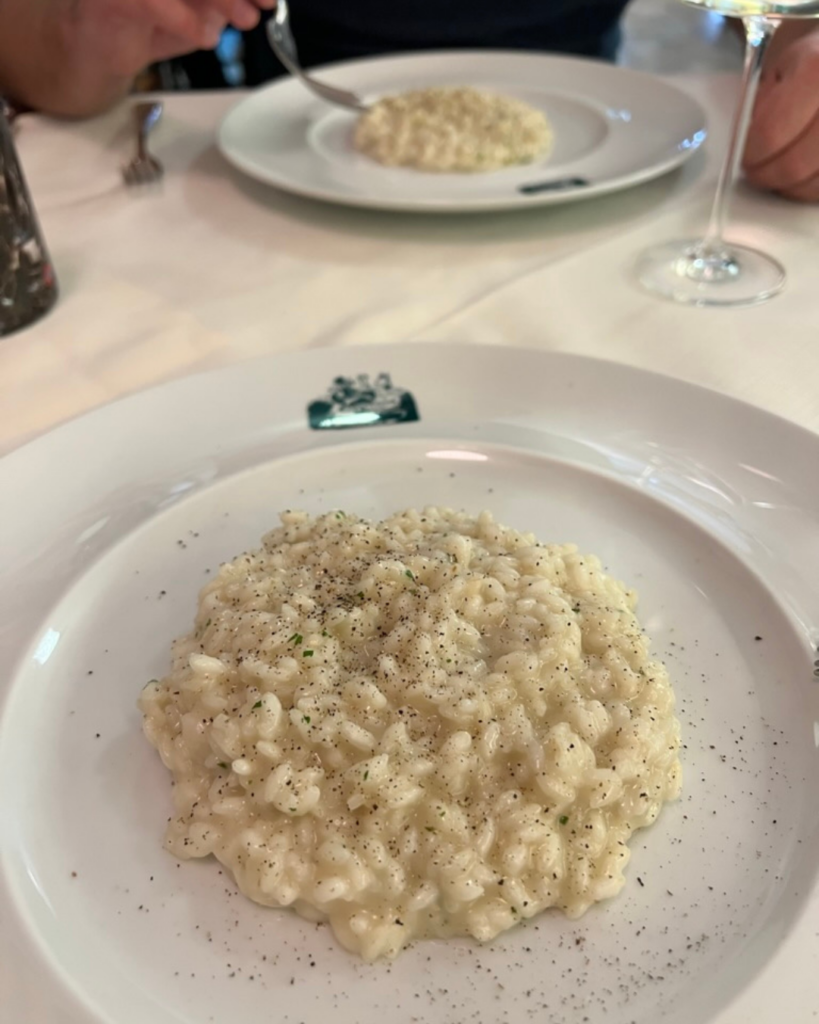
Burano became famous for lacemaking and is where one of my favorite restaurants in Italy, Trattoria Da Romano, is located. One of their specialties is risotto di gò, a traditional Venetian risotto that gets its flavor from a broth that is prepared using gò, a small fish found in the lagoon.
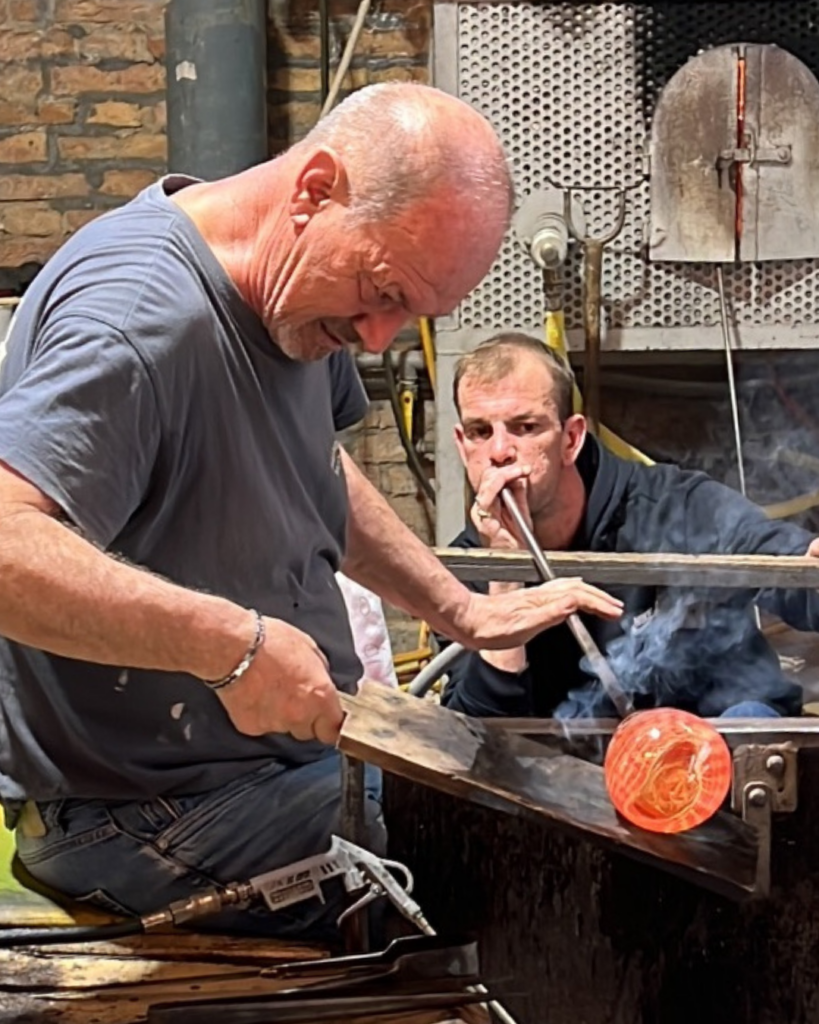
Closer to Venice’s historic center is Murano, which became world-famous for glassblowing. When the art form was first created, The Venetians did not want the rest of the world to learn these techniques and therefore did not allow glassblowing artisans to leave the island of Murano.
Watching glassblowing artisans in action was one of the most incredible things I’ve ever seen. This is a skill that is learned and perfected over the course of many years, usually passed down from one generation to another.
Be sure that your Venice itinerary includes a glassblowing demonstration, ideally in a private setting.
Planning Your Venice Trip
Venice is one of the most requested destinations we plan for our clients traveling to Italy. The difference between an average trip and an exceptional one often comes down to choosing the right hotel, private access to excursions and experiences, and overall planning.
As a Virtuoso advisor, I work with the top hotels and local partners in Venice to arrange:
- private experiences
- preferred partner amenities
- upgrades and VIP access
If you are planning a 2026 trip and want a well-structured luxury luxury itinerary that includes Venice, connect with White Lotus Travel Design to plan and book your trip.
FAQs: Three Days in Venice: The Ultimate Luxury Itinerary for 2026
Is Venice worth visiting in 2026?
Yes. Venice is unlike anywhere else in the world, and 2026 is one of the most compelling years to visit in decades. The city is undergoing a significant transformation in its luxury hotel landscape, with several major new openings and re-openings underway. Beyond the hotels, Venice rewards travelers who go beyond the main tourist corridors and explore local neighborhoods like Cannaregio and Dorsoduro, the outer islands, and the city’s authentic bacari culture.
How many days do you need in Venice for a first visit?
Three days is the recommended minimum for a first visit to Venice. That gives you enough time to explore the main neighborhoods, visit the outer islands of Murano and Burano, and experience the city without rushing. If your itinerary allows for four or five days, the experience becomes even more rewarding as you slow down and move beyond the main tourist routes.
What is the best time of year to visit Venice?
April through May and September through October offer the best balance of weather and crowd levels for a Venice trip. Travelers looking to avoid peak season should consider November through March (excluding the holiday period), when crowds thin significantly and the city takes on a more atmospheric, local feel. Carnivale is a unique experience but requires advance planning and comes with larger crowds.
What is the Venice tourism access fee and how does it work?
Venice implemented a tourism access fee in 2024 to help manage over-tourism. Day visitors are required to pay the fee, while travelers staying overnight at a hotel in Venice are exempt. However, overnight guests must register their stay in advance to confirm their exemption. For details and to register an upcoming stay, visit the official Venice Access Fee site.
What are the best new luxury hotels opening in Venice in 2026?
Several significant luxury hotels are opening or reopening in Venice in 2026. The most notable include the Danieli, A Four Seasons Hotel (a complete transformation of one of Venice’s most iconic palazzi); the Orient Express Palazzo Dona Giovannelli in Cannaregio; the Mandarin Oriental Venice on a private island near San Marco; Airelles Venezia Palladio on Giudecca; and the Rosewood Hotel Bauer near the Grand Canal. The Hotel Excelsior Venice Lido, longtime home of the Venice Film Festival, is also set to reopen in May 2026.
What are the best luxury experiences in Venice?
The best luxury experiences in Venice are those that offer private access and local depth. Top options include a private after-hours or early access tour of St. Mark’s Basilica and the Doge’s Palace, a private gondola workshop with a local gondolier, a traditional mask-making session with a Venetian artisan, a private glass-blowing experience in Murano, and a cicchetti food tour through the bacari of Cannaregio. These experiences are the difference between a good Venice trip and an exceptional one.
What neighborhoods should you visit in Venice beyond St. Mark’s Square?
Dorsoduro and Cannaregio are the two neighborhoods most worth prioritizing beyond the main tourist areas. Dorsoduro is home to Campo Santa Margherita, one of the few squares in Venice where you will find locals rather than tourists, as well as the Leonardo da Vinci Museum inside the historic Chiesa di San Barnaba. Cannaregio, the former site of Venice’s Jewish ghetto, is packed with excellent bacari serving cicchetti and some of the city’s best restaurants.
Should you visit Murano and Burano on a Venice trip?
Yes. Both islands are easily accessible by vaporetto from Venice’s historic center and offer experiences you cannot replicate on the main island. Murano is world-famous for glassblowing, and a private visit to a glass-blowing factory is one of the most memorable things you can do in the lagoon. Burano is known for its lacemaking tradition and is home to Trattoria Da Romano, one of the best restaurants in Italy, known for its traditional risotto di go’.
What is the best way to get to your hotel when you arrive in Venice?
A pre-arranged private water taxi is the most convenient and efficient way to reach your hotel upon arrival in Venice, whether you are arriving by car at Piazzale Roma, by air, or by train. If you are traveling by train, make sure your ticket is to Venice Santa Lucia Station, which is the main train station in the historic center. A private water taxi avoids the logistics of navigating with luggage and delivers you directly to your hotel by canal.
What is the best way to navigate Venice on foot?
Venice is more intuitive than it appears. Signs posted throughout the city direct you toward the major landmarks, including Santa Lucia Station (ALLA FERROVIA), the Rialto Bridge (PER RIALTO), and St. Mark’s Square (PER S. MARCO). Looking up as you walk and using these directional signs as anchors makes it easy to stay oriented, even in the quieter side streets and neighborhoods away from the main routes.