
Small-Ship Luxury Cruises
White Lotus Travel Design specializes in planning small ship luxury cruises with cruise lines such as Windstar, Explora Journeys, Oceania, and Azamara. We work with clients to plan and book small-ship luxury cruises based on their travel style and preferences.
Two Windstar Cruises ships in Tahiti (Photo: Windstar Cruises)
Small-ship luxury cruises are designed for travelers who want the elegance of luxury cruising with a more intimate onboard experience and deeper destination access.
If you enjoy refined dining, thoughtful itineraries, and a ship that feels more like a boutique hotel than a floating resort, small-ship cruising is one of the most rewarding ways to explore the world’s oceans.
We regularly work with travelers planning small ship luxury cruises across Europe, the Caribbean, Alaska, and French Polynesia.
Quick Answer:
Small-ship luxury cruises are best for travelers who want a refined ocean-cruise experience on ships that typically carry a few hundred guests rather than several thousand, allowing for more personalized service, destination-focused itineraries, and a more relaxed onboard environment.
Key Takeaways: Small-Ship Luxury Cruises
Small-ship luxury cruise vessels typically carry between 200 and 1,000 passengers, creating a more intimate onboard atmosphere.
These cruises focus on destination immersion, often visiting smaller ports that large cruise ships cannot access.
Many itineraries emphasize longer stays in port, overnight visits, and culturally focused excursions.
Dining and service are typically elevated compared with large mainstream cruise ships.
Leading small-ship luxury cruise lines include Windstar Cruises, Explora Journeys, Oceania Cruises, Azamara, and Viking.
Small-ship luxury cruises sail worldwide, including the Mediterranean, Northern Europe, Alaska, Asia, and the South Pacific.
Smaller ships bring you to ports that big ships simply cannot reach.
What is a Small-Ship Luxury Cruise?
A small-ship luxury cruise is an ocean-going voyage on a ship designed to carry significantly fewer passengers than mainstream cruise vessels.
Instead of focusing on large-scale entertainment and resort-style amenities, these ships emphasize refined service, thoughtful dining, and itineraries that prioritize time ashore.
Days are typically spent exploring historic ports, coastal towns, and culturally rich destinations, followed by relaxed evenings onboard with excellent cuisine, comfortable lounges, and a quieter atmosphere.
Because of their smaller size, these ships can often visit ports and coastal regions that larger cruise ships cannot reach, creating a more immersive travel experience.
Who are small-ship luxury cruises best for?
- Travelers who prefer intimate ships with fewer guests and a quieter onboard atmosphere
- Travelers who want port-focused itineraries with more time in destination
- Travelers seeking refined, upscale experiences without a formal or overly structured environment
- Travelers interested in unique itineraries, including smaller ports and less-visited destinations
- Travelers who value personalized service and a more tailored onboard experience
Who should skip small-ship luxury cruises:
- Travelers who prefer large ships with extensive entertainment and nightlife
- Families looking for kid-focused amenities like water parks and large-scale activities
- Travelers who want the lowest possible price point or mass-market cruise deals
- Travelers who prioritize onboard attractions over destination immersion
- Travelers who prefer high-energy, social environments with large crowds
What’s included on a small-ship luxury cruise?
Inclusions vary by line and itinerary, but many small-ship luxury cruises include:
- All onboard meals, including main dining venues and often specialty restaurants
- Wi-Fi (quality and speed can vary by ship and location)
- Basic beverages such as coffee, tea, soft drinks, and in many cases wine and beer with meals
- Onboard enrichment, lectures, and destination-focused programming
- Access to onboard amenities such as fitness centers, pools, and lounges
What often costs extra:
- Shore excursions and private touring (typically not included on most small ship ocean cruises)
- Premium spirits, reserve wine lists, or specialty beverage programs
- Spa services and wellness treatments
- Gratuities (included on some lines, but not all)
- Specialty dining on select ships (varies by cruise line)
What Does a Small-Ship Luxury Cruise Cost?
Pricing varies based on cruise line, itinerary, season, and cabin category. Within the small ship luxury category, most itineraries fall within a fairly consistent range, with variation driven primarily by timing, ship, and stateroom type.
Typical planning range (per person, cruise only)
- Most 7–12 night small ship luxury cruises fall in the range of $3,000–$8,000+ per person
Shorter sailings and off-season departures may price below this range, while peak season itineraries and higher-category staterooms can exceed it.
What drives the price?
- Itinerary length and destination
Longer itineraries and destinations like Alaska or Northern Europe typically cost more than standard Mediterranean or Caribbean sailings. - Cabin category and suite size
Pricing can vary significantly depending on whether you select an entry-level stateroom, a veranda cabin, or a full suite. - Seasonality
Peak summer and holiday sailings are usually the most expensive. Shoulder season departures often offer better value. - Cruise line differences
Even within this category, pricing can vary slightly between lines like Windstar, Azamara, Oceania, Explora Journeys, and Viking.
What is not included in these ranges:
- Airfare
Shore excursions (typically additional on most small ship luxury cruises)
Pre- and post-cruise hotel stays
Some gratuities and onboard spending
We help clients evaluate total trip cost, including cruise fare, excursions, and pre- or post-cruise planning.
Small-Ship Luxury Cruise Lines Compared
These are the primary small-ship luxury cruise lines we recommend to our clients based on itinerary design, onboard experience, and overall service offerings.
Explora Journeys
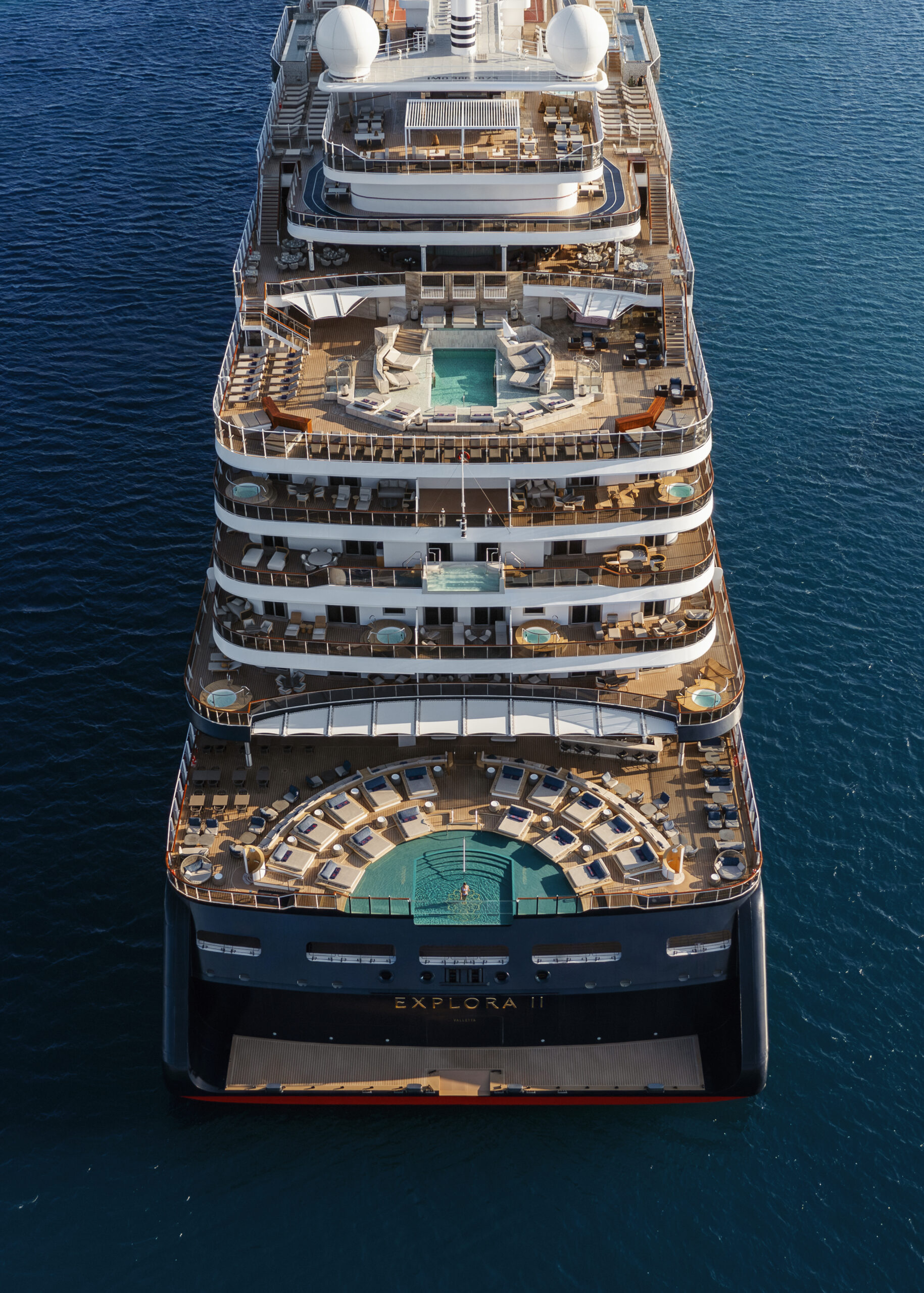
Explora Journeys is the most modern and design-forward option in this category. The ships are all-suite, highly spacious, and positioned more like a floating boutique hotel than a traditional cruise ship.
The experience is flexible and contemporary, with multiple dining venues, fewer structured schedules, and a strong emphasis on space and comfort. Compared to other lines, Explora leans more toward a modern luxury hotel at sea than a traditional cruise experience.
Best for: Travelers who prioritize design, space, and a more flexible, less structured onboard experience. Also, if you’re traveling with kids, Explora Journeys is an excellent option–one of the few in this space that has an onboard kids’ club.
Windstar Cruises
Windstar offers the most intimate, yacht-style experience in this group, with smaller ships and a more relaxed, informal atmosphere.
The focus is on destination access and a casual onboard environment rather than onboard entertainment or formality. Ships are significantly smaller than most others in this category, allowing access to smaller ports and less-visited destinations.
Best for: Travelers who want a casual, small-scale experience with a strong destination focus
Oceania Cruises
Claiming to have “The Finest Cuisine At Sea®,” Oceania is widely known for its focus on cuisine and offers one of the strongest dining programs in this segment. The ships are larger than Windstar but still maintain a more intimate feel compared to mass-market cruise lines.
The adults-only Oceania strikes a balance between onboard amenities and destination immersion, offering more dining variety and onboard options than smaller yacht-style ships.
Best for: Travelers who prioritize food, variety, and a balance between ship experience and destination
Azamara Cruises
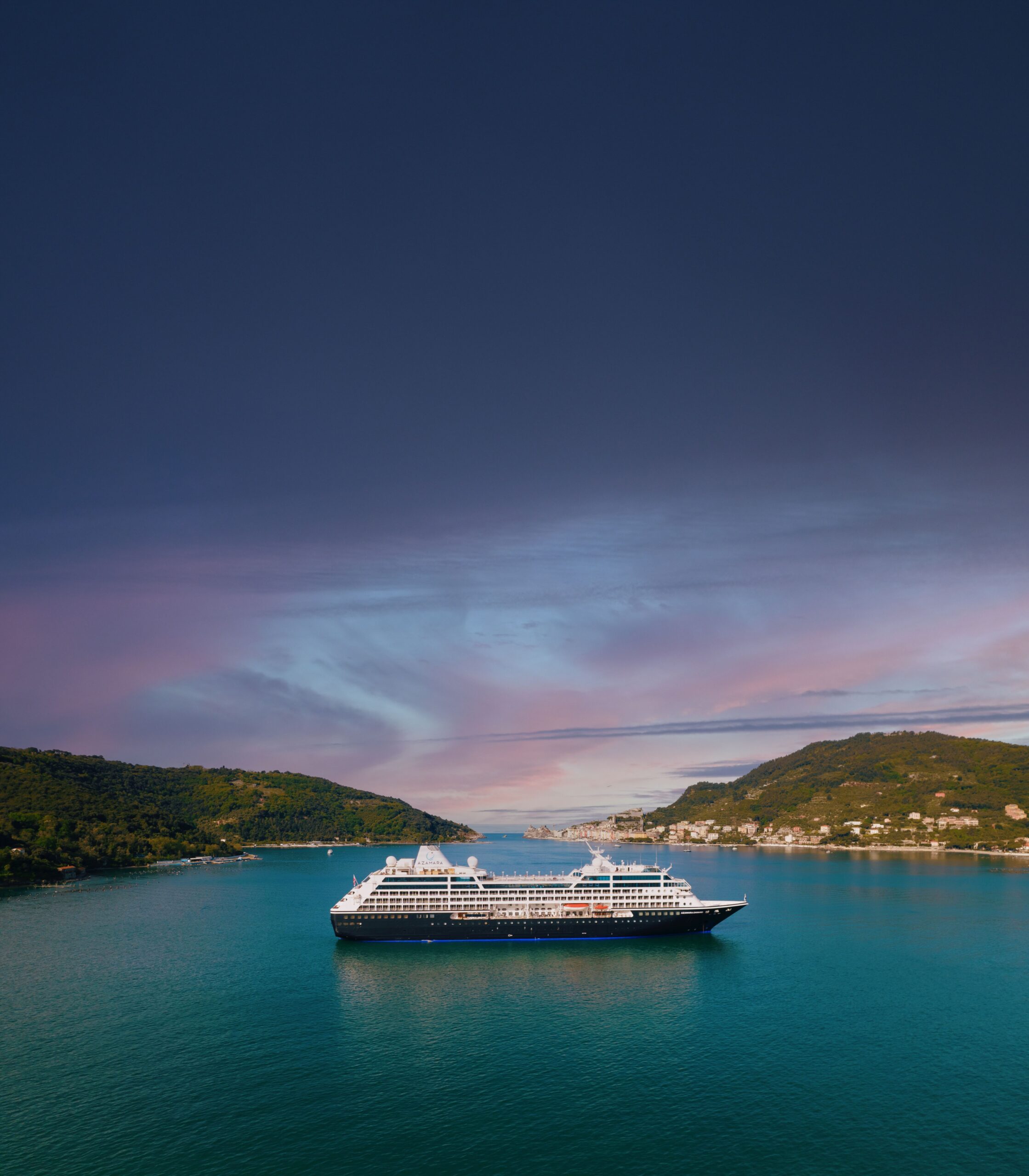
Azamara is highly focused on destination immersion, with longer stays, more overnights, and a slower pace in port compared to many competitors.
The ships are smaller than Oceania and Viking, and the overall experience is more relaxed and less formal. Azamara attracts travelers who want to spend more time exploring destinations rather than focusing on onboard amenities.
Best for: Travelers who want more time in port and a destination-first cruise experience
Viking Ocean Cruises
Viking is one of the most recognized brands in this space and offers a highly consistent, structured product across its fleet.
The ships are larger than most others in this category, typically carrying around 900 guests, and provide a more uniform experience with a strong focus on enrichment and cultural programming.
While often grouped into “small ship” cruising, Viking sits slightly closer to a refined, mid-sized cruise experience than a boutique or yacht-style product.
Best for: Travelers who want a predictable, structured experience with strong enrichment and a well-known brand
How to Think About These Differences
- Most intimate: Windstar
- Most design-forward: Explora Journeys
Best for food: Oceania
Most destination-focused: Azamara
Most structured and consistent: Viking
Best Destinations for a Small-Ship Luxury Cruise
Each destination pairs differently with each cruise line, and choosing the right combination is a key part of planning the overall experience.
Small ship luxury cruises focus on regions where access, routing, and time in port make a meaningful difference. These itineraries are designed to balance well-known destinations with smaller ports that larger ships often cannot reach.
The Mediterranean
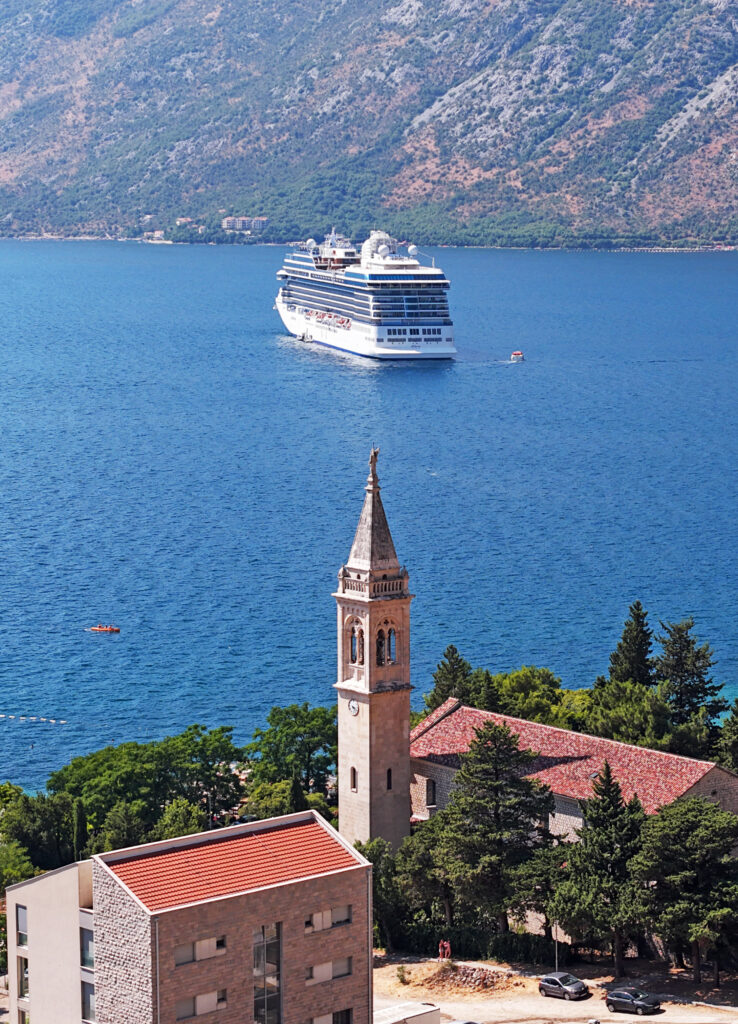
The Mediterranean is the core region for small ship luxury cruising and where lines like Windstar, Explora Journeys, Oceania, and Azamara are strongest. Itineraries often include a mix of major cities and smaller coastal destinations across Italy, Greece, Croatia, France, and Spain. Smaller ships allow for access to ports like Portovenere, Kotor, or smaller Greek islands, along with more overnights and late departures.
Greece and the Greek Islands
While part of the broader Mediterranean, Greece stands out as a particularly strong fit for small ship cruising. These itineraries go beyond Santorini and Mykonos to include lesser-visited islands, creating a more varied and less crowded experience. Smaller ships are especially well-suited to navigating the Cyclades and other island groups.
Croatia and the Adriatic Coast
Croatia is one of the best examples of where small ship cruising outperforms larger ships. Ports along the Dalmatian Coast are smaller and closer together, allowing for more efficient itineraries with frequent stops. The result is a highly destination-focused experience with minimal time at sea.
Western Europe (France, Spain, Portugal)
Coastal itineraries through France, Spain, and Portugal offer a mix of culture, food, and wine-focused experiences. These routes often include cities like Barcelona and Lisbon, along with smaller ports and coastal towns that are better suited to small ship access.
Northern Europe and Scandinavia
Northern Europe itineraries combine major capitals with smaller ports across Scandinavia and the Baltic region. This is a more seasonal option, with peak sailings during the summer months when daylight is longest.
Alaska
Also a seasonal destination, Alaska is one of the strongest destinations for small ship cruising, particularly for travelers who want a more immersive, nature-focused experience. Smaller ships can access narrow waterways, remote inlets, and less-visited areas that larger ships cannot reach. This allows for closer views of glaciers, more frequent wildlife sightings, and a more flexible, expedition-style approach to exploring the region.
The Caribbean
Small ship Caribbean itineraries focus on smaller islands and less commercialized ports. The experience is more relaxed and less resort-driven, with an emphasis on beaches, sailing routes, and quieter destinations than you’ll typically visit on a big-ship cruise.
French Polynesia (Tahiti and Bora Bora)
This is one of the strongest regions for small ship cruising, particularly with Windstar. These itineraries focus on islands like Tahiti, Bora Bora, Moorea, and Raiatea, where smaller ships can access ports and anchorages that larger ships cannot. The experience is highly destination-driven, with a strong emphasis on scenery, water-based activities, and a relaxed pace.
Asia (Southeast Asia and Japan)
Select itineraries in Asia offer a very different style of small ship cruising. These routes often combine major cities with smaller ports across countries like Japan, Thailand, and Vietnam. The experience tends to be more culturally focused, with longer port stays and a greater emphasis on guided touring.
How to Choose the Right Small-Ship Luxury Cruise
Choosing the right small ship luxury cruise involves more than selecting a destination. The cruise line, ship size, and overall style of experience can significantly shape the trip.
A well-planned cruise aligns the right itinerary with the right cruise line based on how you prefer to travel.
Factors to Consider When Choosing a Small-Ship Luxury Cruise
- Destination and itinerary: Some itineraries focus on iconic ports, while others prioritize smaller, less-visited destinations. The pace of the itinerary, including overnights and time in port, can vary significantly by cruise line.
- Cruise line style: Each line has a distinct identity. Explora Journeys emphasizes space and modern design, Windstar offers a more casual yacht-style experience, Oceania focuses on cuisine, and Azamara is known for longer stays and destination immersion.
- Cabin design, ship size, and onboard atmosphere: Even within “small ship,” there is a range. More intimate ships offer a quieter, more personalized experience, while slightly larger ships may provide more dining options and onboard variety.
- Dining and onboard experience: Some travelers prioritize culinary experiences, while others care more about flexibility, enrichment, or time ashore. The onboard experience varies more than most travelers expect.
- Inclusions and overall value: What is included can differ significantly between cruise lines. Shore excursions, beverages, gratuities, and specialty dining may or may not be included, which affects the overall cost of the trip.
- Seasonality and timing: The time of year impacts weather, pricing, and crowd levels. Mediterranean summers, for example, feel very different from shoulder season sailings in May or September.
How to decide (This is where White Lotus Travel Design can help you)
- Start with the destination
- Narrow down the itinerary style and pace
- Then select the cruise line that best matches your travel preferences.
The cruise line you select will define your experience in many ways.
Next Step: Planning Your Small-Ship Luxury Cruise
Small ship luxury cruises can vary significantly depending on the cruise line, itinerary, and time of year. Choosing the right combination of ship, destination, and timing is what turns a good trip into a well-paced, highly personalized experience.
The first step is identifying which destinations interest you most, followed by narrowing down the cruise line and itinerary that best align with how you prefer to travel. From there, details like stateroom selection, timing, and pre- or post-cruise plans help refine the overall experience.
If you’re considering a small-ship luxury cruise, the first step is identifying the destinations and cruise lines that best match your travel style. White Lotus Travel Design works with leading small-ship cruise lines to recommend the right itinerary, timing, and overall plan based on your preferences.
Ready to start planning your next getaway? Connect with White Lotus Travel Design to plan and book your small-ship luxury cruise.
Small-Ship Luxury Cruise FAQs
Small ship luxury cruises typically operate vessels carrying fewer than 1,000 guests, with many in the 150–700 range. They focus on a more intimate onboard experience, refined service, and destination-focused itineraries.
Not fully. Most include meals and some beverages, but shore excursions, gratuities, and certain onboard experiences are often additional.
Usually not. Most cruise lines in this category offer excursions as optional add-ons, though some may include a limited tour or promotional inclusions.
River cruises are more structured and typically include guided excursions in each port. Small ship ocean cruises are more flexible, with more time at sea and optional experiences in each destination. For those prone to motion sickness, river cruises may be a better fit.
Ultra-luxury cruises are generally more all-inclusive, with higher service levels, more spacious accommodations, and more inclusions such as excursions, gratuities, and premium beverages. Small-ship luxury cruises tend to offer a more casual onboard experience than ultra-luxury cruises do.
Ocean cruises focus on larger ships and destinations separated by long stretches of sea travel. River cruises operate on smaller ships and sail directly through regions and cities along inland waterways. The experience tends to feel more immersive, with ports located close to historic town centers and excursions built into the itinerary.
Yes, especially for travelers who are more interested in destinations than onboard entertainment. The smaller scale and more relaxed atmosphere can feel less overwhelming than large ships.
Most do not. The dress code is typically “resort casual,” with a more relaxed and informal onboard atmosphere.
Some lines, like Explora Journeys, are more family-friendly. However, most small ship luxury cruises are better suited to adults or older children due to limited kid-focused programming. For reference, both Oceania and Viking are adults-only cruise lines.
The Mediterranean, Greek Islands, and Croatia are among the most popular starting points. Alaska is a top choice for travelers interested in nature and wildlife, while French Polynesia is especially strong for yacht-style cruising. Additional options include Northern Europe, the Caribbean, and select itineraries in Asia.
For the best selection of itineraries and staterooms, booking 6–12 months in advance is typical, with longer lead times recommended for peak season or high-demand sailings.
Yes. Working with a travel advisor can help you compare cruise lines, understand what is included, and select the itinerary that best fits your travel style. It also provides support before and during your trip.
The best cruise line depends on your priorities. Some travelers prioritize food, others prefer smaller ships or more time in port. Lines like Windstar, Explora Journeys, Oceania, and Azamara each offer a different experience.
White Lotus Travel Design specializes in planning small-ship luxury cruises and works with leading cruise lines to match travelers with the right itinerary, ship, and overall experience.