
Expedition Cruises
Expert-planned expedition voyages to Antarctica, the Arctic, the Galapagos, and the world's most remote regions.
A guest snorkeling with a school of fish in the Galápagos Islands, Ecuador (Photo: Joshua Vela)
White Lotus Travel Design works with the world’s leading expedition cruise lines to help travelers plan and book journeys that reach places most people will never see.
Expedition cruising is defined by destination above all else: remote coastlines, polar ice, volcanic archipelagos, and wildlife-dense regions that require purpose-built ships and expert-led programs to access.
Whether you are drawn to Antarctica, the Arctic, the Galapagos, Patagonia, Iceland, or the far corners of the Pacific, expedition cruising offers a fundamentally different kind of travel than traditional ocean cruising.
Quick Answer:
Expedition cruises are best for travelers who want to reach remote, wildlife-rich, or polar destinations on small ships with expert naturalist guides, Zodiac landings, and immersive destination access. The category divides into two distinct tiers: luxury expedition lines (Atlas Ocean Voyages, PONANT, Silversea, and Seabourn) that offer refined onboard amenities alongside destination access, and intimate expedition lines (Aurora Expeditions, National Geographic-Lindblad Expeditions) that prioritize the smallest ships and the most direct access ashore. Understanding which tier fits your priorities is the most important decision in planning an expedition voyage.
Key Takeaways: Expedition Cruises
- Expedition cruises reach remote destinations inaccessible to conventional cruise ships, with landings via Zodiac inflatable boats and expert naturalist guides.
- The category divides into two meaningful tiers: luxury expedition lines (roughly 180 to 270 guests) and intimate expedition lines (roughly 100 to 150 guests).
- IAATO regulations limit shore landings in Antarctica to 100 people at any one time. Ships carrying more than 100 expedition guests must rotate groups, meaning some passengers wait aboard while others are ashore.
- Ships carrying 100 guests or fewer can get virtually everyone ashore at every Antarctic landing simultaneously, which is a significant experiential difference on a 10 to 14-day voyage.
- Leading luxury expedition lines include Atlas Ocean Voyages, PONANT, Silversea, and Seabourn.
- Leading intimate expedition lines include Aurora Expeditions and National Geographic-Lindblad Expeditions.
- Expedition cruises are typically not all-inclusive. Shore excursions, Zodiac landings, and some onboard activities are usually included; beverages, gratuities, and specialty items vary by line.
- Entry-level pricing can range anywhere from $8,000 to $12,000 per person for 10 to 14-day Antarctica voyages (based on the onboard experience) and increases significantly for polar departures, additional excursion add-ons, suites, and longer itineraries.
Expedition cruises bring you to the planet’s most remote destinations.
What is an Expedition Cruise?
An expedition cruise is a voyage built around destination access rather than onboard amenities. The ships are smaller and purpose-built for remote or environmentally sensitive regions.
The itineraries prioritize wildlife, landscape, and cultural immersion over port-city itineraries. The experience is led by onboard naturalists, scientists, historians, and polar guides who provide context for what you are seeing ashore and in the water.
Unlike traditional ocean cruising, where the ship itself is often the primary draw, expedition cruising treats the ship as a means of access. Onboard life is comfortable and, at the higher tiers, genuinely luxurious, but the day is oriented around what you encounter when the gangway drops or the Zodiacs launch.
Key characteristics of expedition cruises:
- Small ships designed to navigate narrow fjords, polar ice, and shallow coastal regions inaccessible to typical cruise ships
- Zodiac landings and small-boat exploration rather than port docks in most cases
- Onboard expedition team of naturalists, scientists, historians, and specialists
- Daily landings or shore activities as the core structure of the voyage
- Remote destinations: Antarctica, the Arctic, the Galapagos, Patagonia, Papua New Guinea, the Kimberley Coast, Iceland, Greenland, and others
- Expedition briefings, lectures, and evening recaps to frame the destination
- Polar or expedition-class ship construction for ice-rated navigation
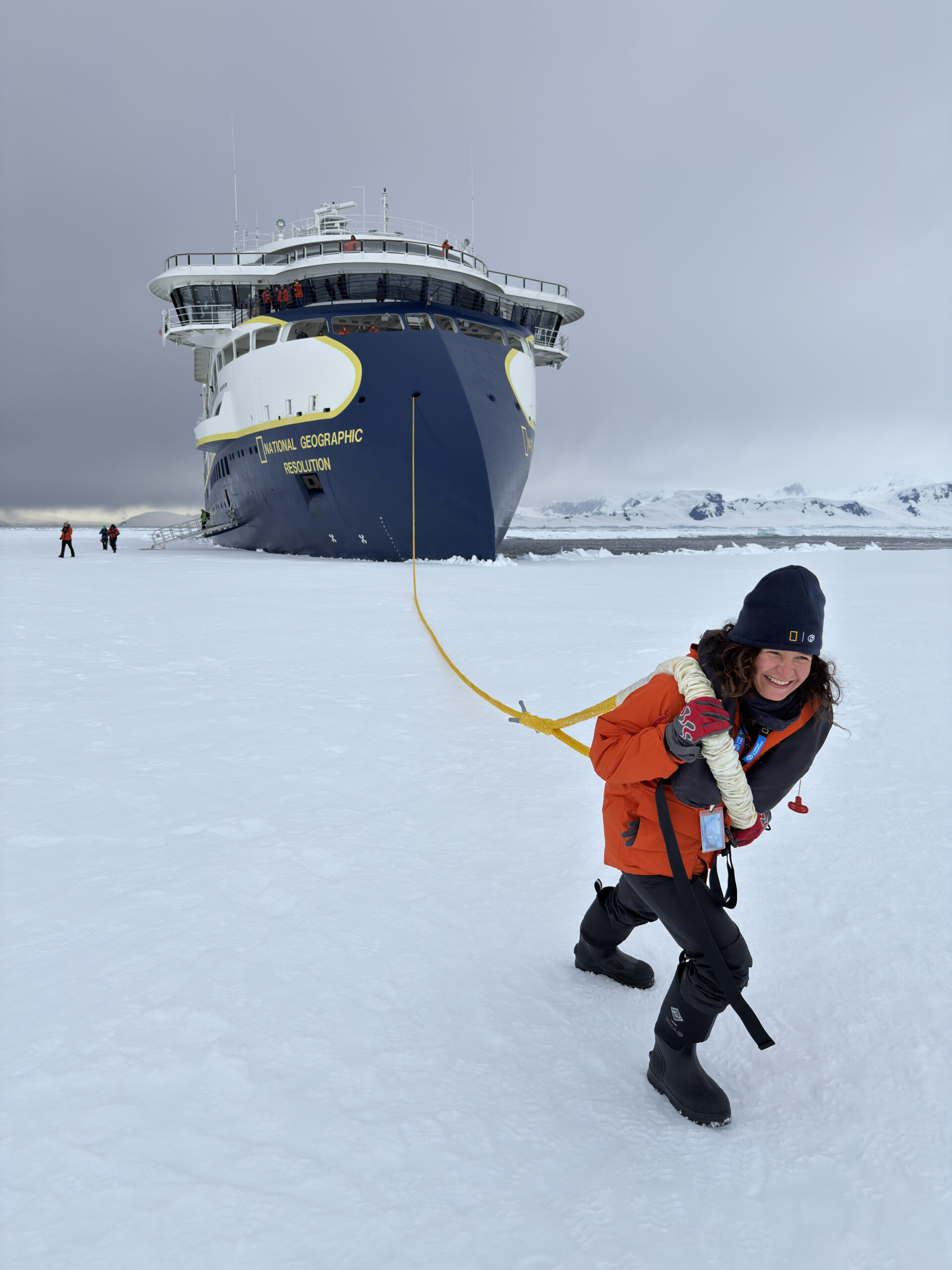
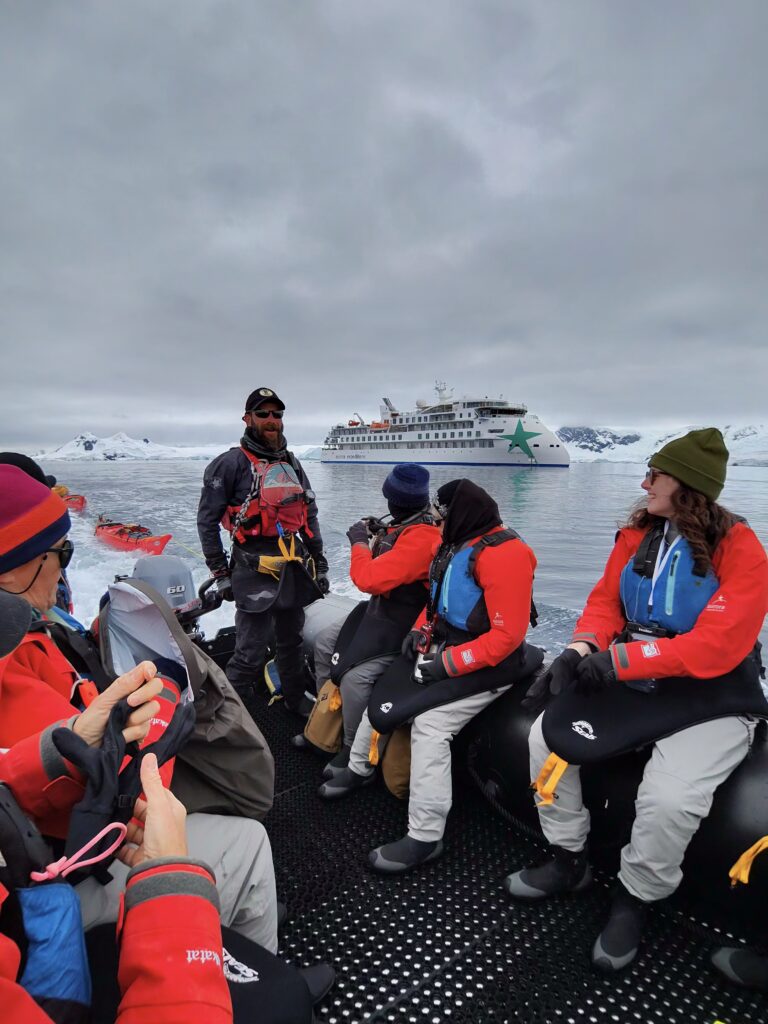
Expedition Cruising in Antarctica
For travelers heading to Antarctica specifically, understanding the difference between a luxury expedition ship and an intimate expedition ship is essential.
The IAATO Landing Rule
IAATO, the International Association of Antarctica Tour Operators, limits shore landings to 100 people ashore at any one time at any given site. This is a regulatory requirement for all member operators. Only one ship may visit a landing site at a time, and one guide must accompany every 20 passengers ashore.
For ships carrying 200+ guests, that typically means two or three rotations per landing, with each group spending a portion of time ashore and a portion waiting.
The weather in Antarctica can change drastically at any moment, so sometimes a 2-hour landing may be shortened to under an hour for safety purposes. This means that passengers in the second or third rotation on a larger expedition ship would not get ashore during that landing.
On the other hand, ships carrying 100 or so expedition passengers can get virtually everyone ashore at once, which fundamentally changes the pace and depth of the Antarctic experience.
Luxury Expedition: Atlas Ocean Voyages, PONANT, Silversea, and Seabourn
The luxury expedition tier combines genuine expedition capability, including polar-class ship construction, Zodiac programs, and expert naturalist teams, with onboard amenities that reflect the broader luxury cruise market. You will encounter fine dining, well-appointed suites, spa facilities, and a level of service that is closer to a small luxury ocean ship than to a traditional expedition vessel.
Atlas Ocean Voyages markets a premium product (“Intimate Yacht Expeditions”) with luxury amenities. PONANT brings French culinary identity and a refined aesthetic. Silversea brings its established ultra-luxury brand. Seabourn brings its signature service culture alongside a capable expedition platform.
The trade-off is ship size. These lines carry between roughly 180 and 270 guests on their expedition vessels. In Antarctica, that means rotating landing groups.
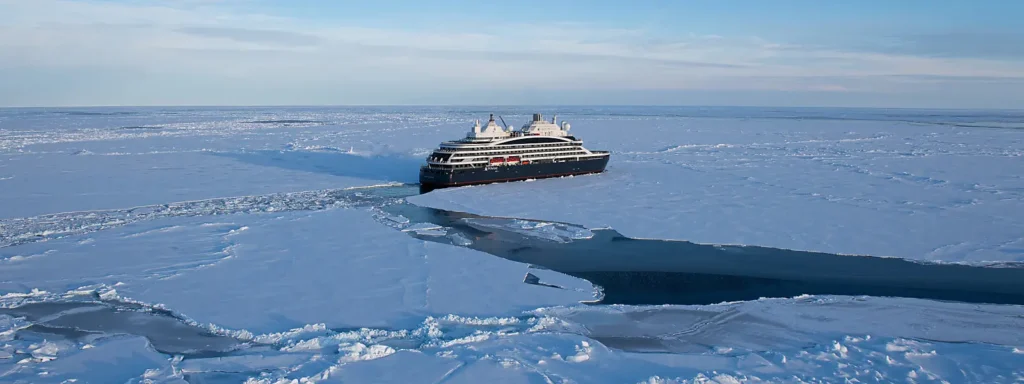
Intimate Expedition: Aurora Expeditions and National Geographic-Lindblad Expeditions
Aurora Expeditions and National Geographic-Lindblad Expeditions operate at the other end of the spectrum. Their ships carry between roughly 100 passengers on Antarctic voyages, and both lines are built around an expedition-first culture where the destination drives every decision.
Aurora Expeditions, founded in Australia and well established in the global expedition market, is known for its strong naturalist programs and highly experienced polar guides. The onboard experience is comfortable and well run, but it is not a luxury product in the same sense as PONANT or Seabourn. The focus is the destination.
Lindblad Expeditions, operating in partnership with National Geographic, brings a strong educational dimension to every voyage. National Geographic photographers and certified naturalists join every departure. The combination of Nat Geo credibility and Lindblad’s polar expertise has made this partnership one of the most respected names in expedition travel globally. Ships are intimate and well maintained, and the onboard culture is deeply mission-driven.
Where HX Fits
HX (formerly Hurtigruten Expeditions) has a more complex fleet profile than any other line in this category. Their flagship vessels, MS Roald Amundsen and MS Fridtjof Nansen, carry approximately 500 passengers and operate a full group-rotation system in Antarctica. Their smaller vessel, MS Santa Cruz II, carries approximately 90 passengers and functions as a true intimate expedition ship, primarily in the Galapagos. If HX is under consideration, the specific ship matters enormously, and the product varies just as significantly as the passenger count.
Who Expedition Cruises Are Best For
Expedition cruises are a strong fit for travelers who want:
- Access to remote, polar, or wildlife-rich destinations that conventional ships cannot reach
- A travel experience where the destination, not the ship, is the primary focus
- Daily Zodiac landings and direct engagement with wildlife, ice, and landscape
- An onboard team of naturalists, scientists, and polar specialists
- Genuine off-the-beaten-path itineraries in Antarctica, the Arctic, the Galapagos, Patagonia, Papua New Guinea, and beyond
- A small-ship, intimate atmosphere with fewer than 300 guests and, in many cases, far fewer
- Intellectual depth, enrichment programming, and a learning dimension to travel
- The physical engagement of Zodiac boarding, kayaking, shore walks, and active landings
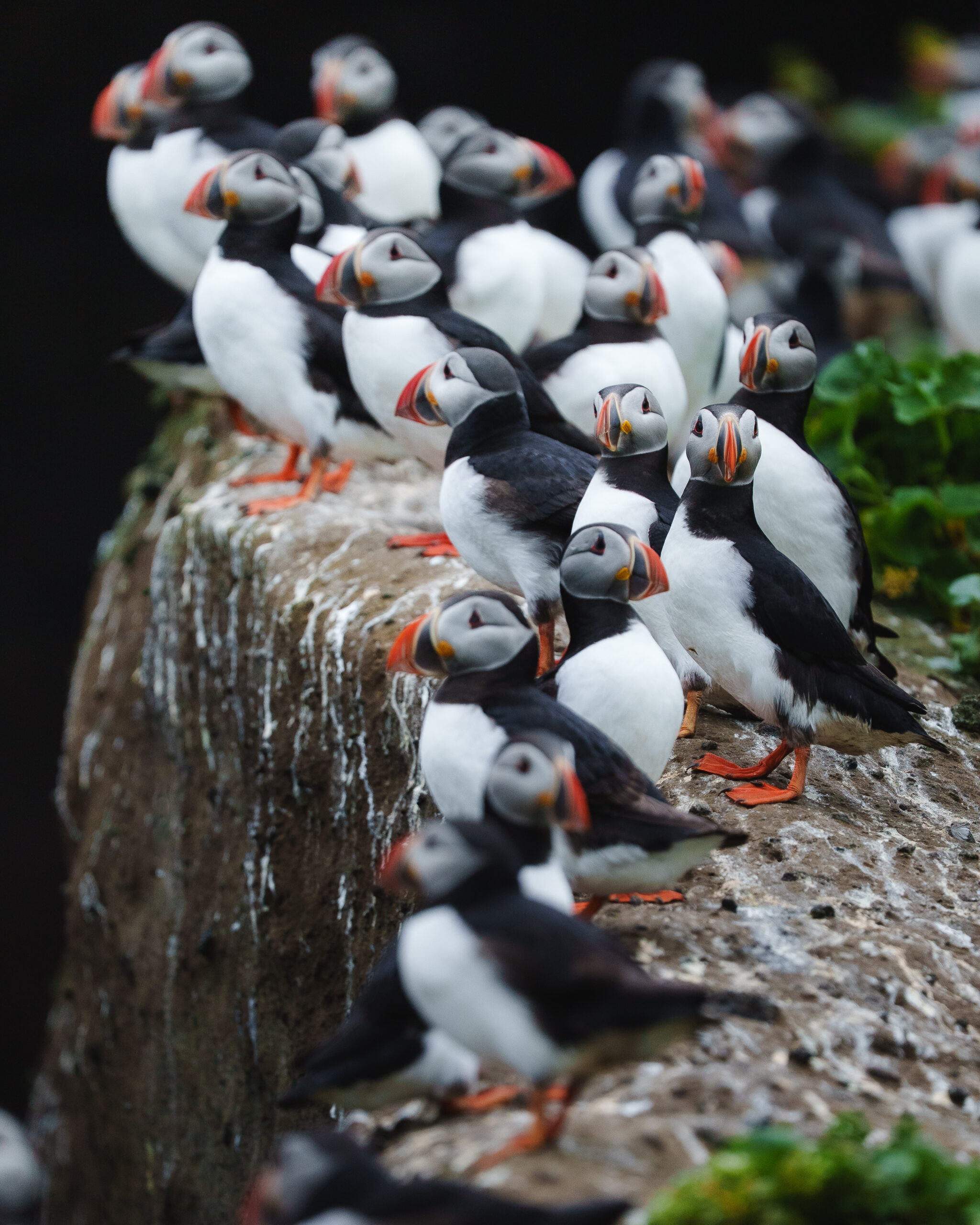

Who Should Skip Expedition Cruising
Expedition cruising is usually not the right fit if you want:
- The most fully all-inclusive pricing model in ocean travel (most expedition lines are not all-inclusive)
- Large-ship entertainment, resort-style amenities, or high-energy onboard programming
- A primarily relaxing, beach-and-pool vacation experience
- Guaranteed weather-independent activity regardless of conditions
- Itineraries built around major port cities and cultural capitals
One practical note: Zodiac boarding involves stepping in and out of inflatable boats, often in wet or cold conditions. Shore landings can be uneven, rocky, or require short walks across rugged terrain. Most expedition lines accommodate a wide range of fitness levels, but travelers with significant mobility limitations should discuss specific shore access with their travel advisor before booking.
What's Included on an Expedition Cruise
Expedition cruise inclusions vary more than any other cruise category. The following represents a typical baseline, but specific inclusions differ by line.
Typically included:
- All onboard meals in the main dining venue
- Zodiac landings and all expedition shore activities
- Expedition team program: lectures, briefings, evening recaps
- Expedition parka and rubber boots on most Antarctic and polar voyages
- Port taxes and expedition fees
Varies by line:
- Specialty dining and premium restaurant access
- Alcoholic beverages
- Gratuities
- Wi-Fi
- Pre- and post-cruise hotel packages
- Airfare for flyover cruises in Antarctica (some lines offer flights over the Drake Passage for those hesitant to sail it, though weather conditions often cause flight cancellations).
A note on the Galapagos: Galapagos expedition voyages operate under a separate permit and fee structure from Ecuadorian national park authorities. These fees are typically included in the expedition fare, but should be confirmed when booking.
We help clients evaluate which expedition cruise experience is best for them based on personal preferences.
What Does an Expedition Cruise Cost?
Expedition cruise pricing varies widely by destination, ship, departure timing, suite category, and tier. The following ranges reflect typical starting points per person for the primary markets.
Antarctica (10 to 14-day voyages, high season November through February)
- Intimate expedition tier (Aurora, Lindblad): roughly $10,000 to $18,000+ per person in standard categories
- Luxury expedition tier (Atlas, PONANT, Seabourn, Silversea): roughly $15,000 to $35,000+ per person depending on suite and line
- Premium suite categories and longer grand voyage segments: $35,000 to $70,000+ per person
Arctic and Svalbard (summer season, June through August)
- Intimate and luxury expedition lines: roughly $8,000 to $22,000+ depending on ship and duration
Galapagos (year-round, typically 7 to 10 days)
- Expedition and small-ship lines: roughly $6,000 to $18,000+ depending on vessel and category
Other remote expedition destinations (Patagonia, Papua New Guinea, Kimberley, South Pacific)
- Pricing varies significantly by itinerary length and region; $8,000 to $25,000+ is a reasonable general range
One important note on pricing: expedition fares are typically not all-inclusive in the way that Regent or Silversea ocean fares are. Beverages, gratuities, and specialty items may be additional on most intimate expedition lines. Total trip cost comparisons should account for these differences.
Expedition Cruise Lines Compared
These are the primary expedition cruise lines White Lotus Travel Design works with, based on destination coverage, expedition program quality, onboard experience, and overall suitability across the range of expedition destinations.
Aurora Expeditions
An Australian-founded line with one of the strongest polar programs in the intimate expedition tier. Purpose-built ships, a destination-first culture, and expedition teams with deep polar expertise. Aurora’s capacity structure is well-suited to travelers for whom Antarctic shore access is a primary planning consideration.
Best For: Travelers prioritizing maximum time ashore and a highly experienced polar team over luxury amenities.
National Geographic–Lindblad Expeditions
Operating in expedition travel since 1979, Lindblad’s National Geographic partnership brings genuine educational and photographic depth to every departure, not just a brand arrangement. Ships operate within IAATO limits that allow full simultaneous landings in Antarctica, and itinerary coverage spans virtually every major expedition region globally.
Best For: Travelers who want a mission-driven expedition culture, the depth of the National Geographic partnership, and broad destination coverage.
Atlas Ocean Voyages
A premium, all-inclusive product that takes the expedition category upmarket: butler service, fine dining, and well-appointed accommodations. For travelers looking to fly over the Drake Passage, Atlas is an excellent option to consider. Ship size is a planning consideration for travelers comparing Antarctic landing access across lines.
Best For: Travelers seeking a luxury, all-inclusive expedition experience where onboard comfort is as important as destination access.
HX
A Norwegian line with a modern fleet spanning polar and warm-water destinations. The brand covers significant range, and the right fit depends heavily on destination and specific vessel; the Antarctic and Galapagos products are distinct experiences under the same name.
Best For: Travelers whose preferred destination and itinerary align well with a specific HX vessel.
PONANT
France’s flagship luxury expedition line, with a distinctly French onboard character, including culinary standards, crew culture, and overall atmosphere. Explorer-class ships serve Antarctica, the Arctic, and a wide range of worldwide expedition destinations. Their Smithsonian Journeys partnership resonates strongly with travelers from North America who value an educational dimension included in the onboard experience.
Best For: Travelers who want a luxury expedition experience with genuine French identity and worldwide destination reach.
Silversea’s all-inclusive model and service standards extend fully to its expedition fleet, which includes vessels operating in some of the most demanding polar environments in the world. One of the few brands where a traveler can move seamlessly between ocean cruising and polar expedition travel within the same product family.
Best For: Travelers who want Silversea’s luxury and all-inclusive model applied to polar and expedition destinations.
Seabourn
Seabourn Venture and Seabourn Pursuit bring the line’s signature service culture into polar and remote destinations, with the Thomas Keller culinary partnership and Seabourn’s all-inclusive model fully intact. The expedition program covers Zodiacs, kayaking, snorkeling, and guided hikes, all delivered with the understated, refined onboard atmosphere the brand is known for.
Best For: Travelers who want Seabourn’s signature service and culinary standards in an expedition setting, where onboard refinement is as important as destination access.
Best Destinations for Expedition Cruising
Expedition cruises operate across all seven continents and cover some of the most remote and ecologically significant regions on the planet. Each destination suits expedition travel in a distinct way.
Antarctica
Antarctica is the defining destination for expedition cruising and the one where the choice of ship and tier has the most direct impact on the experience. The Antarctic Peninsula is accessible from Ushuaia, Argentina, with most voyages running 10 to 14 days during the Southern Hemisphere summer, November through February. Wildlife is extraordinary: penguin colonies in the hundreds of thousands, leopard seals, humpback whales, orca, and a landscape of ice that has no equivalent anywhere on earth. Every element of expedition cruise design, from Zodiac programs to polar guides to ice-class construction, exists primarily to serve this destination.
The Arctic and Svalbard
The Arctic operates on the opposite seasonal calendar, with expedition voyages running May through August. Svalbard, the Norwegian archipelago above the Arctic Circle, is the most accessible Arctic destination and offers polar bear sightings, walrus colonies, glaciers, and tundra landscapes in a relatively condensed geography. Greenland, the Northwest Passage, and the geographic North Pole are longer and more logistically demanding itineraries suited to the highest-capability vessels. Silversea’s Silver Endeavour is the primary option for travelers wanting to reach the geographic North Pole itself.
The Galapagos
The Galapagos Islands operate under a strict national park permit system that limits the size and frequency of ship visits to each island. This makes small-ship expedition travel the only way to see the Galapagos properly. The wildlife is famously unafraid of human presence: marine iguanas, giant tortoises, blue-footed boobies, and Galapagos sea lions interact at close range. National Geographic-Lindblad Expeditions and HX’s Santa Cruz II are well-established operators here. The Galapagos is a year-round destination with slight seasonal variation by island.
Patagonia and Cape Horn
Southern South America offers some of the most dramatic expedition landscapes outside of Antarctica: the Chilean fjords, Torres del Paine, Cape Horn, and the Beagle Channel. These routes are typically combined with Antarctic departures as pre- or post-cruise extensions, or run as standalone expedition voyages. The scenery is extraordinary and the wildlife, including Magellanic penguins, condors, and sea lions, adds significant expedition value.
Remote and Emerging Expedition Destinations
Beyond the headline destinations, the expedition market has expanded significantly into the South Pacific, Papua New Guinea, the Kimberley Coast of Australia, Greenland, Iceland, and the Norwegian coast. PONANT in particular has built an extensive worldwide itinerary network that reaches destinations few other lines cover. Lindblad operates across an unusually broad geographic range. For travelers who have completed Antarctica and the Arctic and are looking for the next expedition destination, these regions offer genuine discovery-level travel.
How to Choose the Right Expedition Cruise
The expedition cruise category requires more careful matching between traveler and product than almost any other cruise type. The expedition line you choose will greatly shape the experience you have.
Key questions to work through when choosing an expedition cruise:
- Destination first: Antarctica, the Arctic, the Galapagos, Patagonia, and remote worldwide destinations each suit different lines and ships. Start with where you want to go.
- Tier decision: If Antarctica is the destination, decide whether maximizing time ashore or having a refined onboard experience is the higher priority. This decision determines which tier is the right fit.
- Ship size and landing access: Understand how landing rotations work for the specific ship you are considering and what that means for a typical itinerary day.
- Onboard experience: The gap between a luxury expedition ship and an intimate expedition ship is significant in terms of dining, service, and cabin quality. Neither is wrong; they serve different travelers.
- Inclusivity: Some expedition lines include beverages and gratuities; most do not. Total-cost comparisons should account for these differences.
- Season and availability: Antarctica and the Arctic operate in opposite hemispheres on opposite calendars. Peak-season availability, especially for intimate-tier ships, should be planned 12 to 18 months in advance.
- Physical readiness: Zodiac boarding and shore landings require reasonable mobility. Specific accessibility considerations should be discussed before booking.
- Expedition team credentials: The quality of the naturalist and expedition team matters enormously. Lindblad’s Nat Geo partnership, Aurora’s polar expertise, and PONANT’s Smithsonian affiliation are all worth evaluating.
Next Step: Planning Your Expedition Cruise
Expedition cruising covers the most varied range of destinations, ships, and experiences in ocean travel. The right expedition voyage for one traveler can be the wrong choice entirely for another, and the differences between a 100-passenger intimate expedition ship in Antarctica and a 260-guest luxury expedition vessel on the same route are not trivial. Getting this match right is what makes the difference between a good trip and the trip of a lifetime.
White Lotus Travel Design works directly with Aurora Expeditions, National Geographic-Lindblad Expeditions, Atlas Ocean Voyages, HX, PONANT, Silversea, Seabourn, and other leading expedition lines to help travelers identify the right ship, tier, destination, and departure timing for their specific goals.
If you are considering an expedition cruise, the first step is identifying what matters most: the destination, the access, or the experience aboard. Everything else follows from that.
Ready to start planning your next expedition? Connect with White Lotus Travel Design to plan and book the expedition cruise that matches how you want to travel.
Expedition Cruise FAQs
A regular ocean cruise is built around the ship, with destinations serving as backdrop to the onboard experience. An expedition cruise is built around the destination, using small, purpose-built ships to reach remote regions and offer direct engagement with wildlife, ice, and landscape through Zodiac landings and expert-led shore programs. The ship is a means of access, not the primary attraction.
IAATO, the International Association of Antarctica Tour Operators, limits shore landings to 100 people at any one time at any given site. Ships carrying more than 100 expedition guests must rotate passengers in groups, meaning some guests are ashore while others wait aboard. On a ship carrying 250 guests, that typically means two to three rotations per landing. Ships carrying 100 or fewer guests can land virtually everyone simultaneously, which maximizes time ashore, especially when weather compresses available windows.
The answer depends on what matters most to you. For maximum time ashore and an expedition-first culture, Aurora Expeditions and National Geographic-Lindblad Expeditions are the clearest choices. For a luxury onboard experience combined with genuine expedition access, Atlas, PONANT, and Seabourn are the strongest options. Silversea offers the most fully all-inclusive model in the expedition space. There is no single best answer; the right line depends on the balance of priorities.
Antarctica’s expedition season runs November through February, the Southern Hemisphere summer. Early season, November through December, offers better opportunities for penguin courtship and nesting behavior, dramatic snow-covered landscapes, and slightly lower pricing on some departures. January and February offer longer daylight, warmer temperatures, whale activity, and penguin chick sightings. Late-season departures in February can offer calmer seas. All months offer extraordinary wildlife; the best timing depends on what you most want to see.
If you’re able to comfortably step into and out of a Zodiac, expedition cruises are likely a good fit. Zodiac boarding and shore landings require reasonable mobility. Passengers step in and out of inflatable boats, often in wet conditions, and shore walks can cross uneven or rocky terrain. Most expedition lines accommodate a wide range of fitness levels, and guides are trained to assist with boarding. Travelers with significant mobility limitations should discuss specific shore access requirements with their travel advisor before booking.
Most expedition fares include accommodations, all meals in the main dining room, the Zodiac and shore excursion program, and the expedition team. Beverages, gratuities, specialty dining, and spa services vary by line. Luxury lines like PONANT, Silversea, and Seabourn include more in the base fare; most intimate expedition lines charge separately for beverages and gratuities. Confirming inclusions for the specific line and departure is essential to accurate total-cost planning.
Popular Antarctic departures on intimate expedition ships, particularly Aurora Expeditions and National Geographic-Lindblad Expeditions during peak season, regularly sell out 12 to 18 months in advance. Luxury expedition lines generally have more inventory but also see high demand on peak-season Antarctic departures. For any expedition voyage, particularly to Antarctica, booking 12 months in advance is the standard recommendation. Specific suite categories and early-season or holiday departures warrant even earlier planning.
Yes, and this is a common and highly recommended approach. Most Antarctic voyages depart from Ushuaia, Argentina, which is a natural gateway to the Chilean and Argentine lake districts, Torres del Paine, and Patagonia more broadly. Pre- and post-cruise extensions to Patagonia can add 3 to 7 days to the overall trip and are logistically straightforward. Many travelers treat the Ushuaia departure as the starting point for a broader South America itinerary.
Yes. Several Antarctic itineraries offer a fly-and-sail or fly-fly option that allows you to fly from Punta Arenas, Chile directly to King George Island, bypassing the Drake Passage entirely. This eliminates the two-day crossing each way and is a practical option for travelers who are concerned about seasickness or simply want to maximize time in Antarctica.
Two things worth knowing before booking a fly option: the flight adds a meaningful cost premium over the standard sailing itinerary, and it is subject to cancellation based on weather conditions in the Antarctic. Flights that cannot operate safely are cancelled, which can result in last-minute changes to your departure or return. Travelers who book a fly option should build flexibility into their travel schedule on both ends of the trip.
White Lotus Travel Design can walk you through which expedition lines offer fly access, how the logistics work in practice, and whether it makes sense for your specific itinerary and travel dates.